
The Village
Trégastel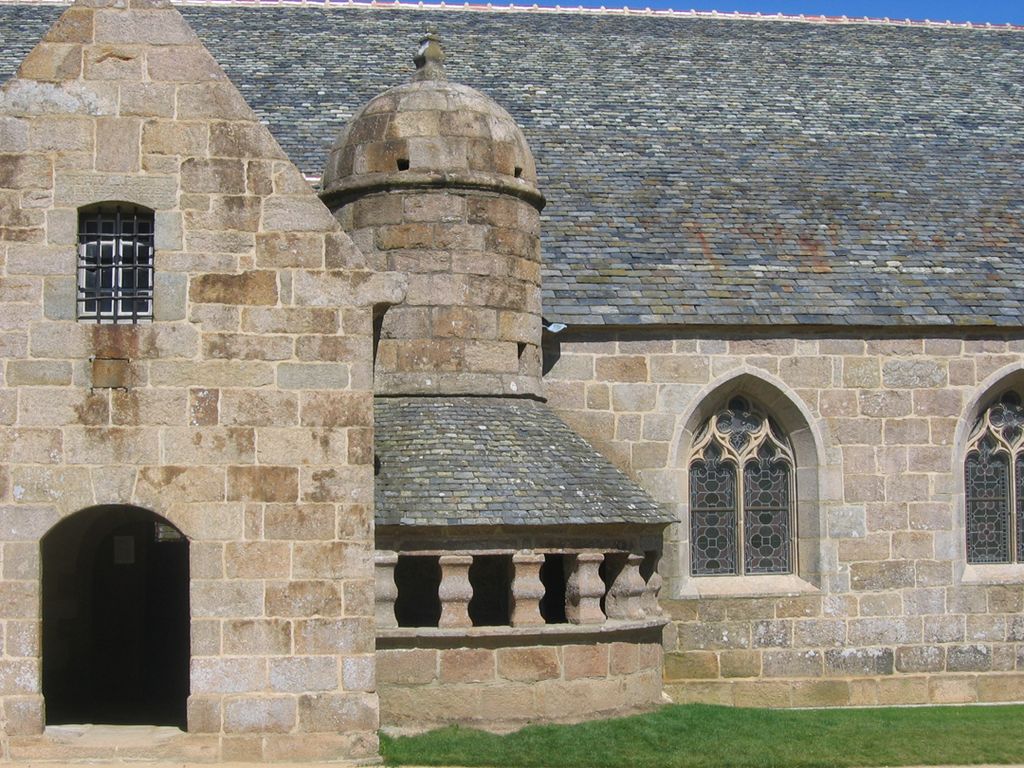
About
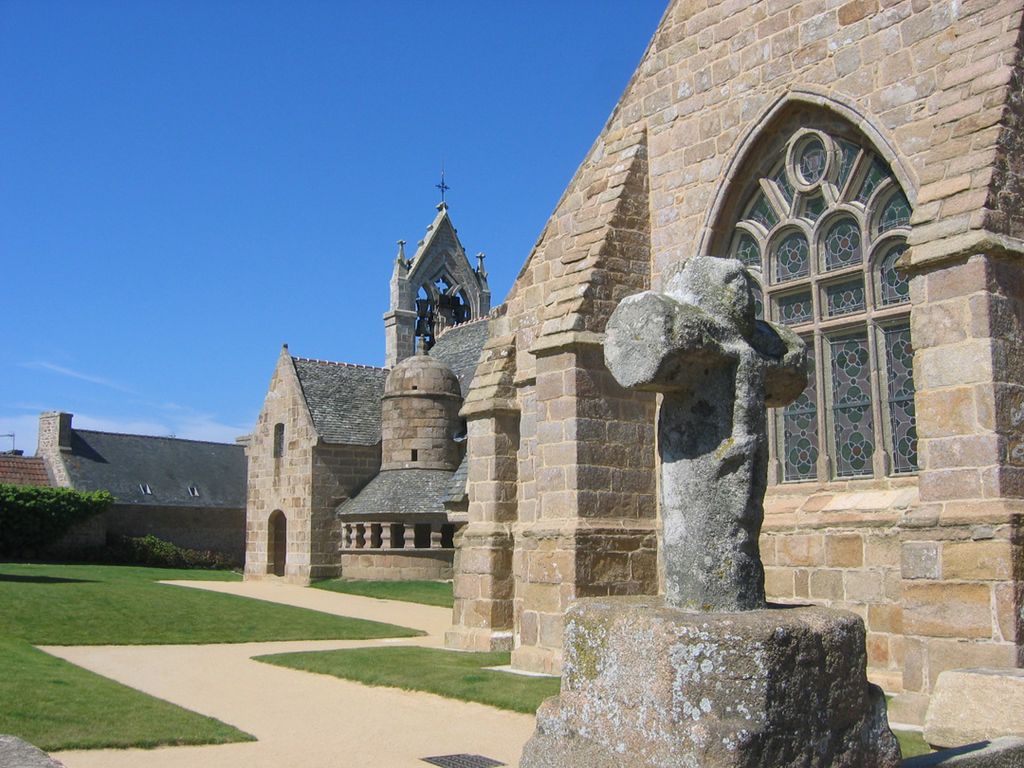
This church was built in several stages. The original building, dating back to between the twelfth and thirteenth centuries, was modified several times over the centuries. In the seventeenth century, an ossuary was added to house bones from the cemetery, an unusual feature of the church. During your visit, be sure to take a look at the balustered gallery and granite dome. In the nineteenth century, the campanile with three bells was replaced with the granite arcature which you can see today. In the close, you will find the tomb of the Breton writer Charles le Goffic. Passionate about the area, he celebrated its identity throughout his life (1863-1932) through numerous literary works.



Castel Erek (Île Grande)
Pleumeur-Bodou
In this haven of peace, owned by the Conseil Général (local authorities), you will find the Sept Îles nature reserve building, which houses a permanent exhibition and the bird care centre of the...  See
See
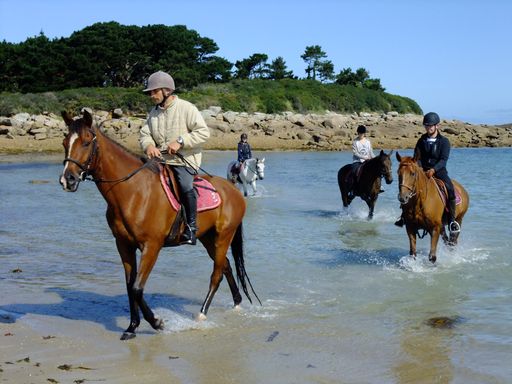

Bringwiller and Kerlavos Bay
Trégastel
There is evidence of very early human religious and economic activity in this area. Its name, Brenn Guiler, meaning "hill of the Roman village", bears testament to the presence of the Romans in... See
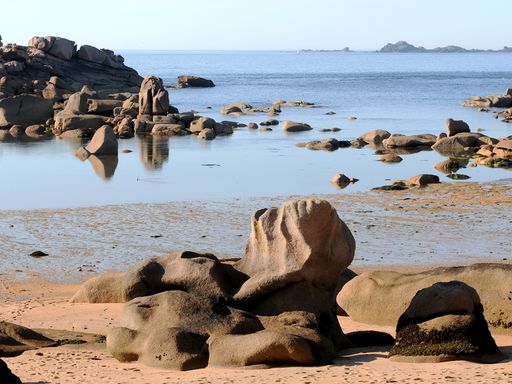

Île Renote
Trégastel
Formerly an island, Île Renote was joined to the mainland in 1895 by construction of a road, forming a peninsula. It has an exceptional geological and human history. Inhabited for 5,000 years, it... See
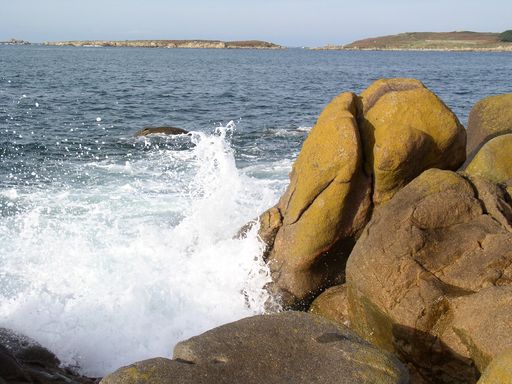
Bringwiller
Pleumeur-Bodou
Covering 30 hectares, the coastline is of great botanical, scenic and cultural value. The department of the Conseil Général (local authorities) responsible for natural sites has introduced Camargue... See