

Guardhouse (Île Grande)
Pleumeur-Bodou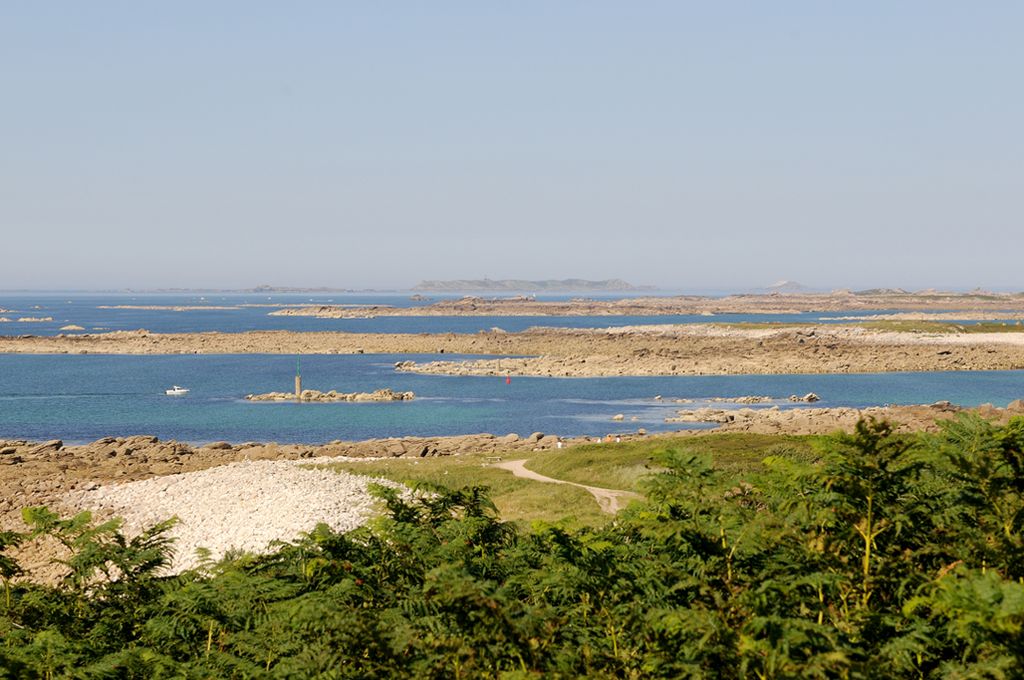
About
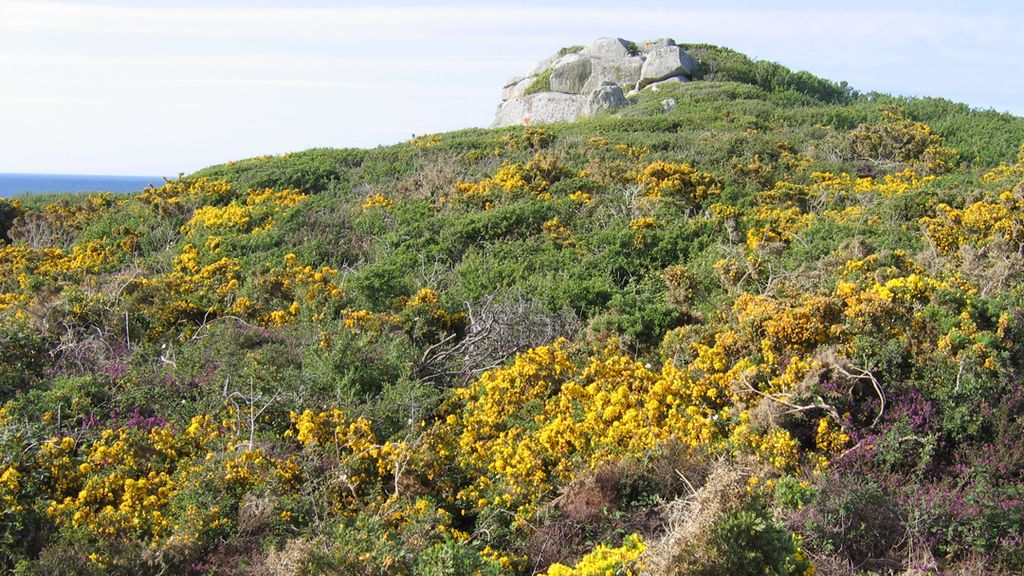
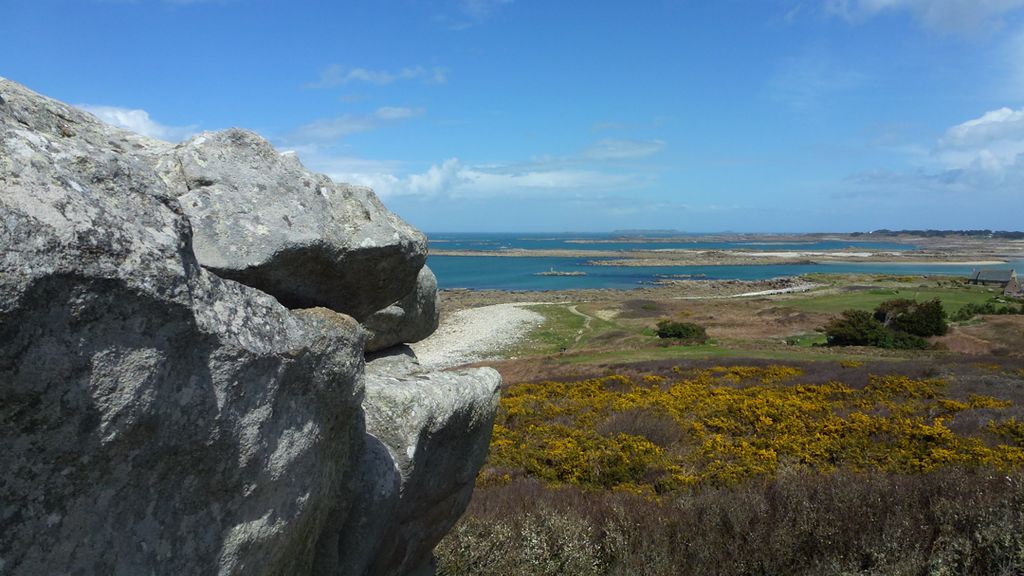
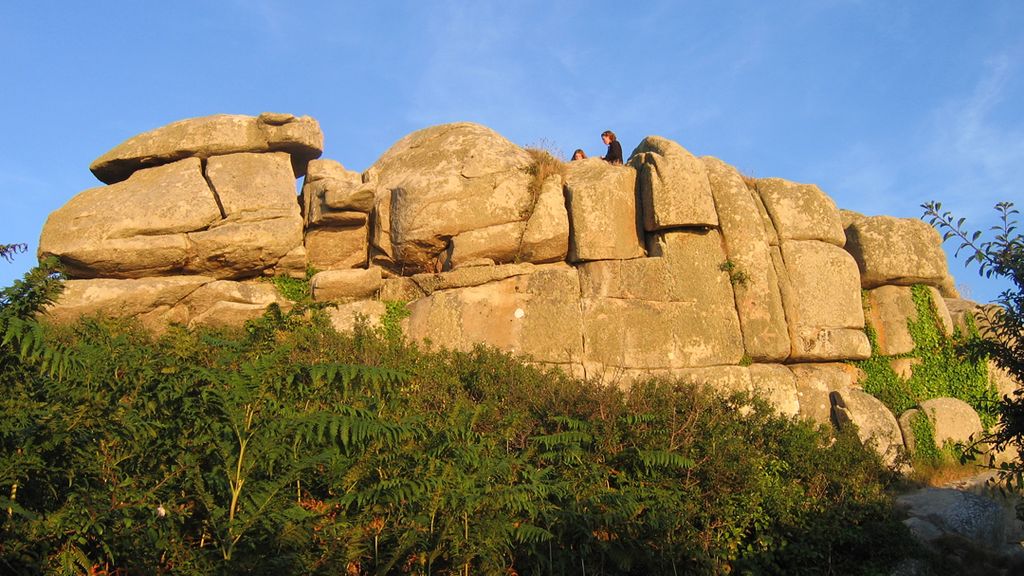
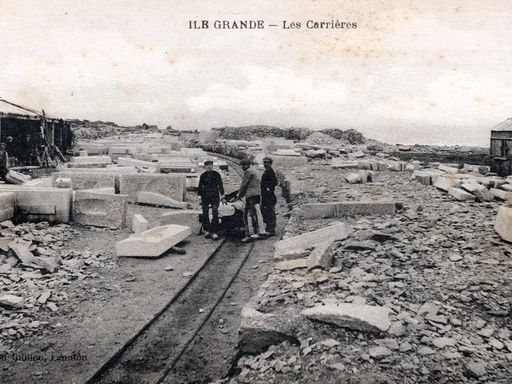
The guardhouse, TyGward in Breton, is an imposing block of granite which stands at the highest point of Île Grande. Right around the periphery of the island, grey and blue granite was mined for several centuries, contributing to the area's renown. Walking around the area, you can find traces of the mining activity and imagine the work of the quarrymen. Following the paths which snake through the heather, you will arrive at a rock formation nicknamed "Le Lion" (the Lion), not far from the statue of a stonecutter. The granite for the construction of the viaduct at Morlaix was extracted from the adjacent old quarry, whose face is impressively large. Opposite you is the outline of Île du Corbeau. This island was an important site for the extraction of blue granite.


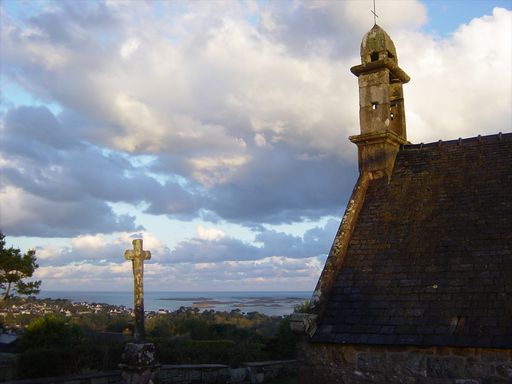

Chapel of Christ
Trébeurden
Classified as a historic monument and occupying a key position, the Chapel of Christ is not to be missed. Located on a small hill, 76 metres in altitude, it offers an outstanding panoramic view over...  See
See
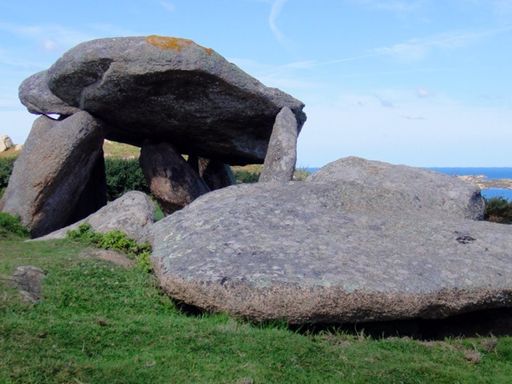

Île Milliau
Trébeurden
With its remarkable pink granite rock formations and darker sedimentary rocks, Île Milliau offers a landscape which takes your breath away. As well as enjoying the site's natural beauty, you can... See
Castel Erek (Île Grande)
Pleumeur-Bodou
In this haven of peace, owned by the Conseil Général (local authorities), you will find the Sept Îles nature reserve building, which houses a permanent exhibition and the bird care centre of the... See
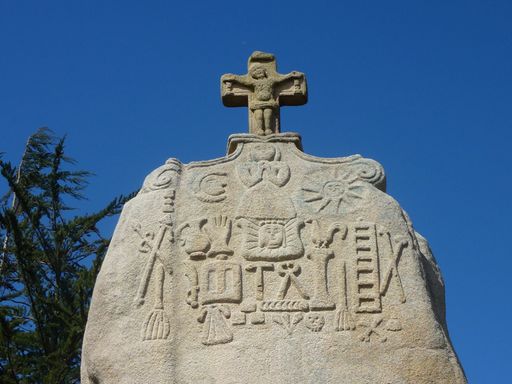

Saint Uzec menhir
Pleumeur-Bodou
A menhir 7.40 m high and 2 m wide stands in Saint-Uzec. Imagine our Neolithic ancestors transporting this huge block of granite weighing 60 tonnes! These megaliths probably fulfilled a religious... See