

Ploumanac‘h lighthouse and rocks
Perros-Guirec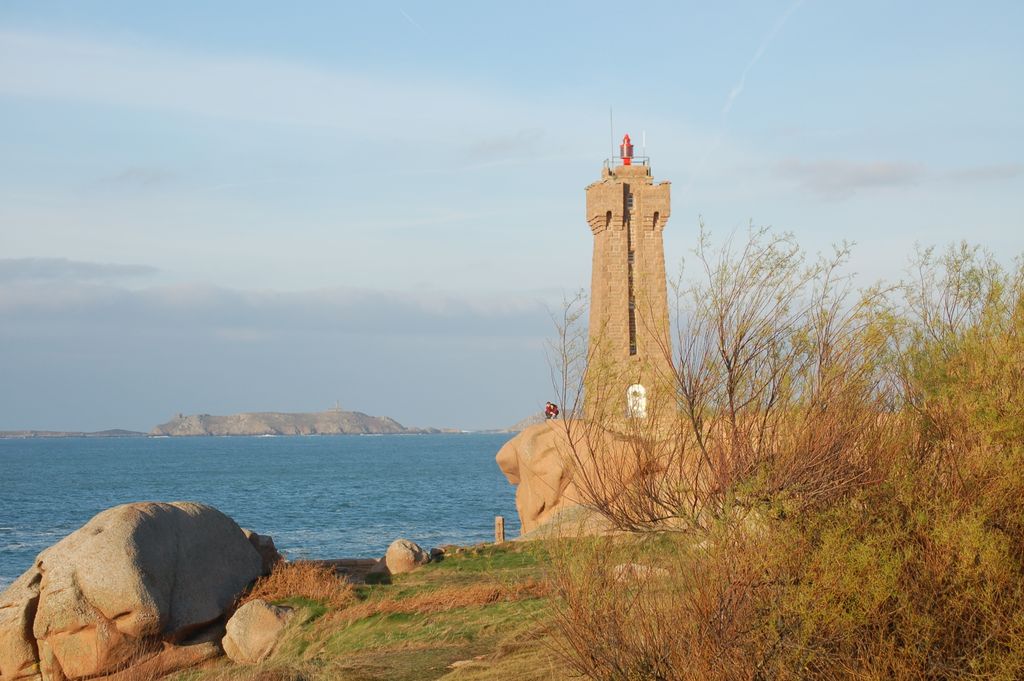


About
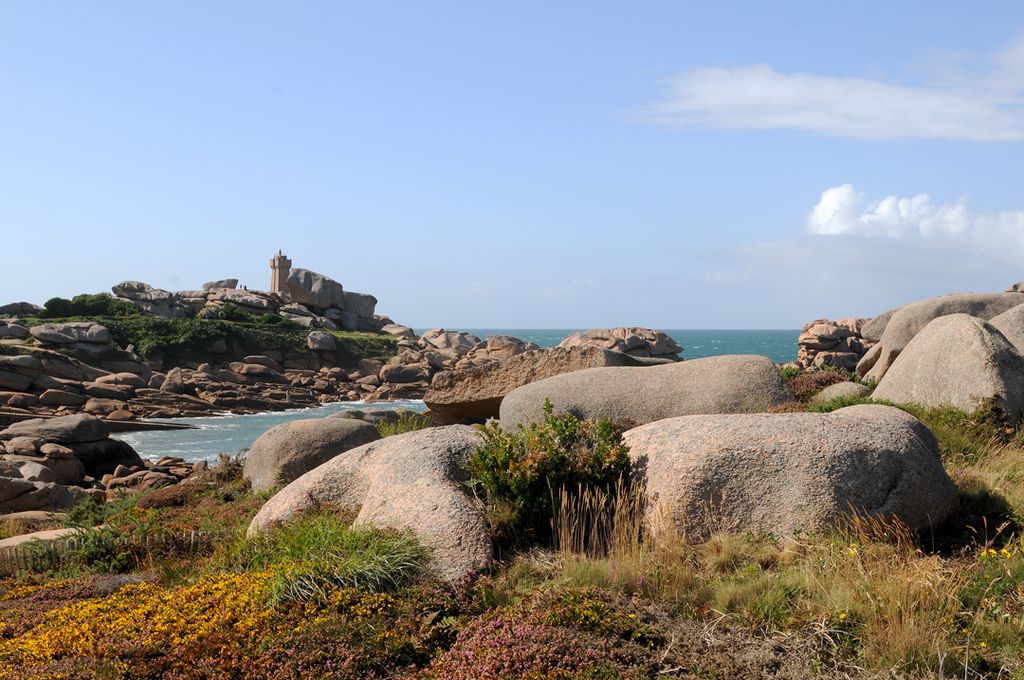
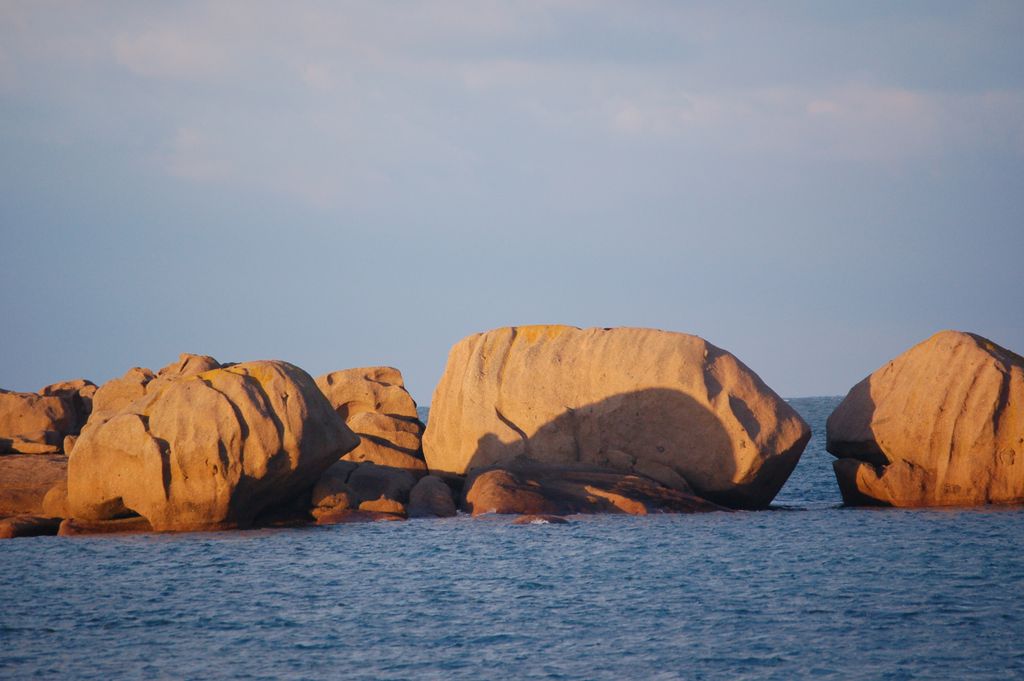
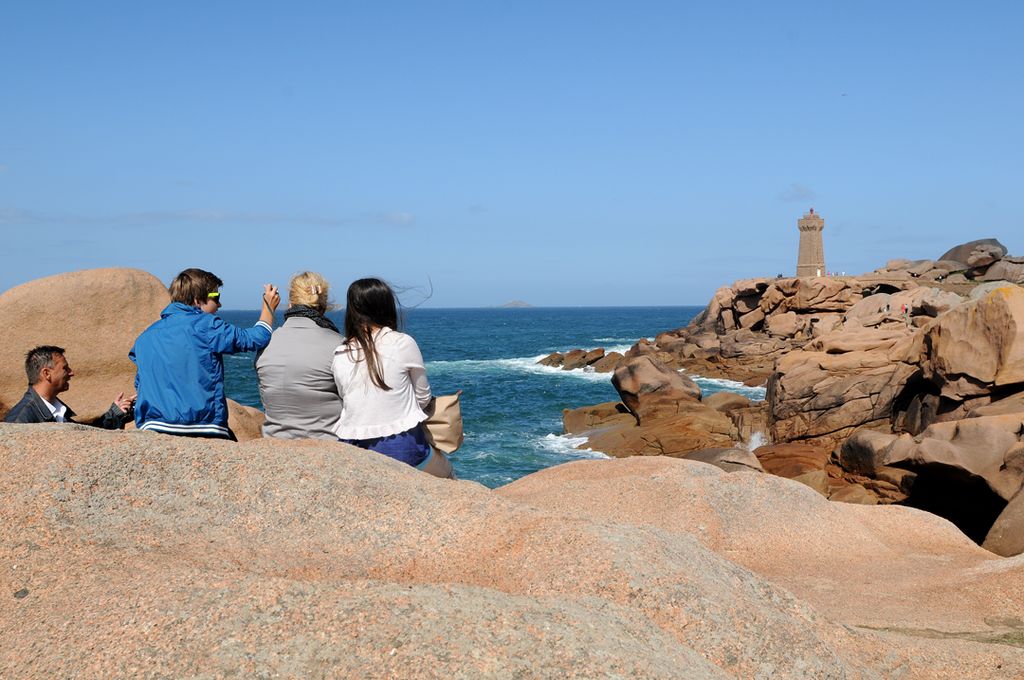
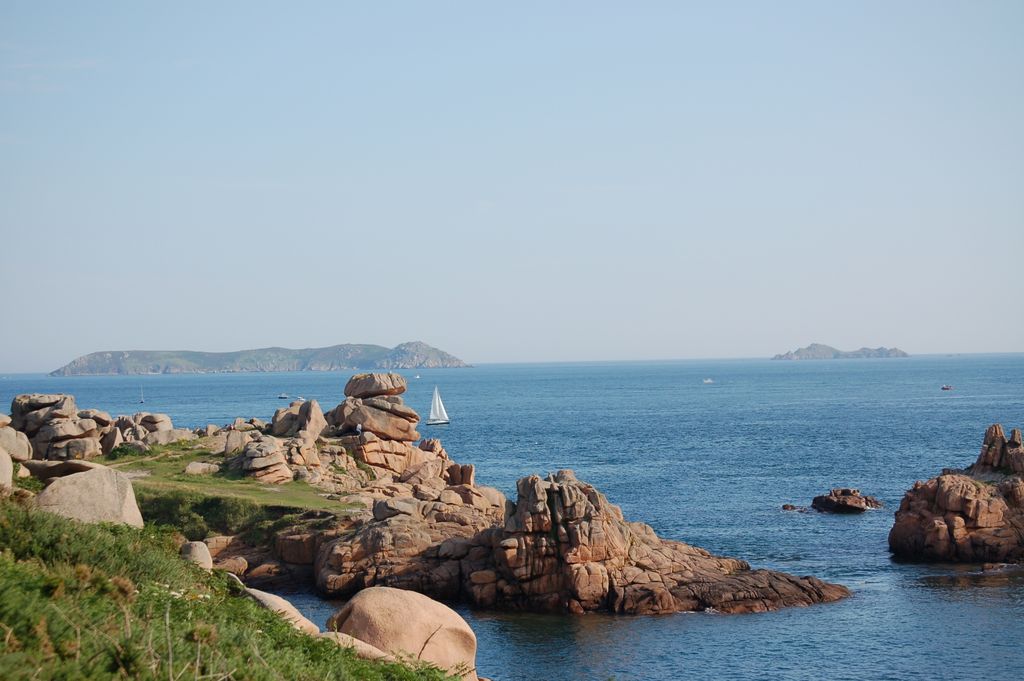
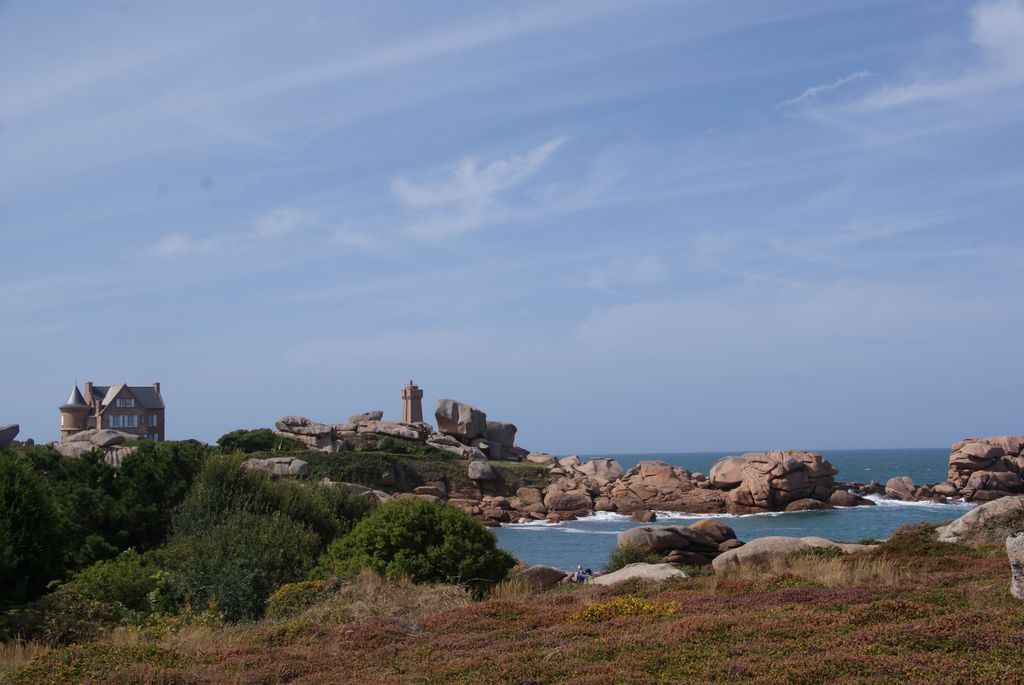
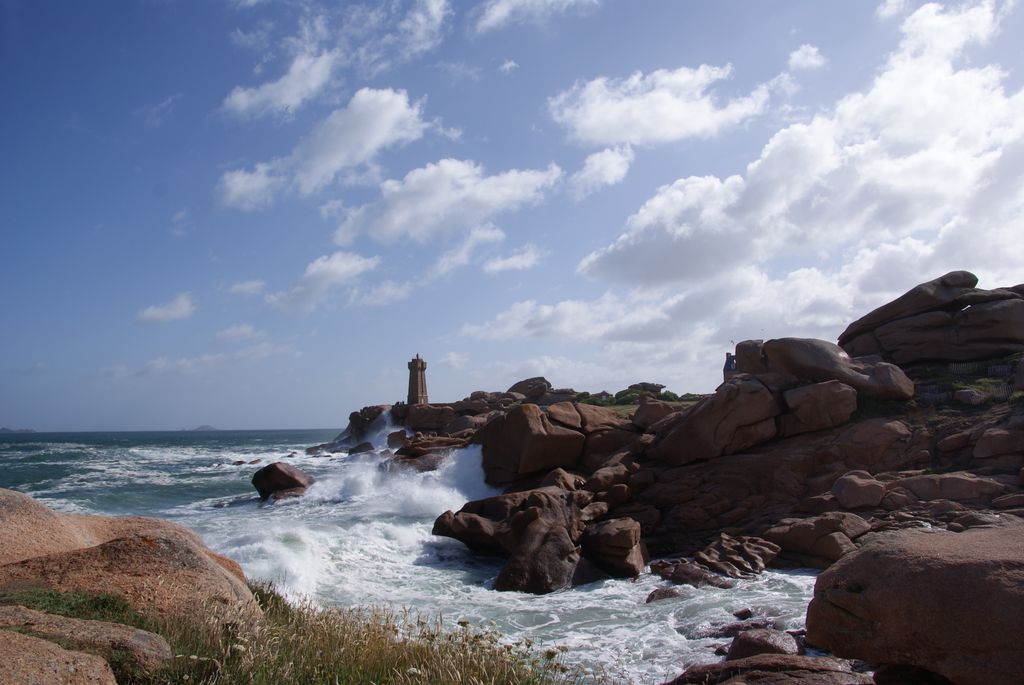
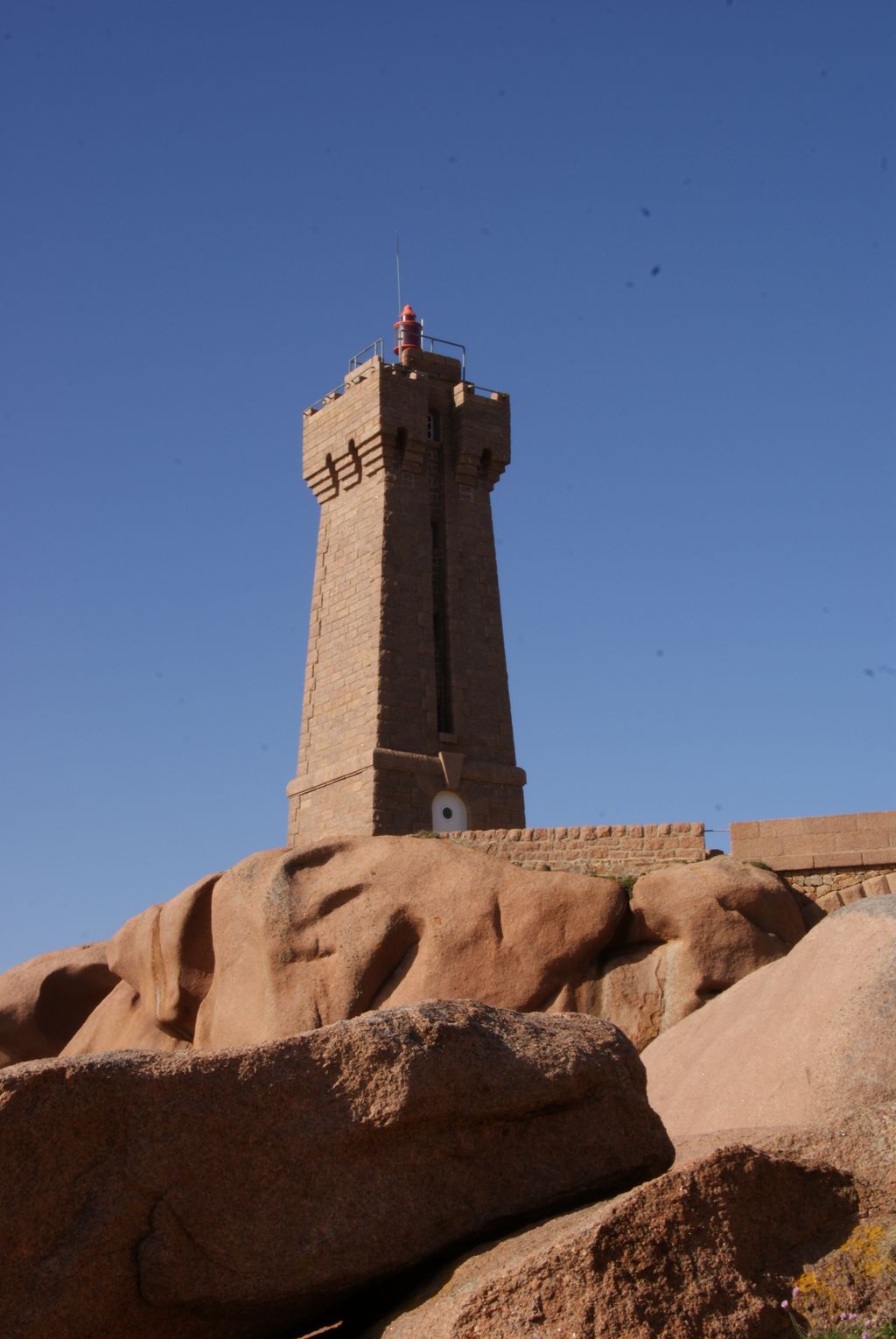
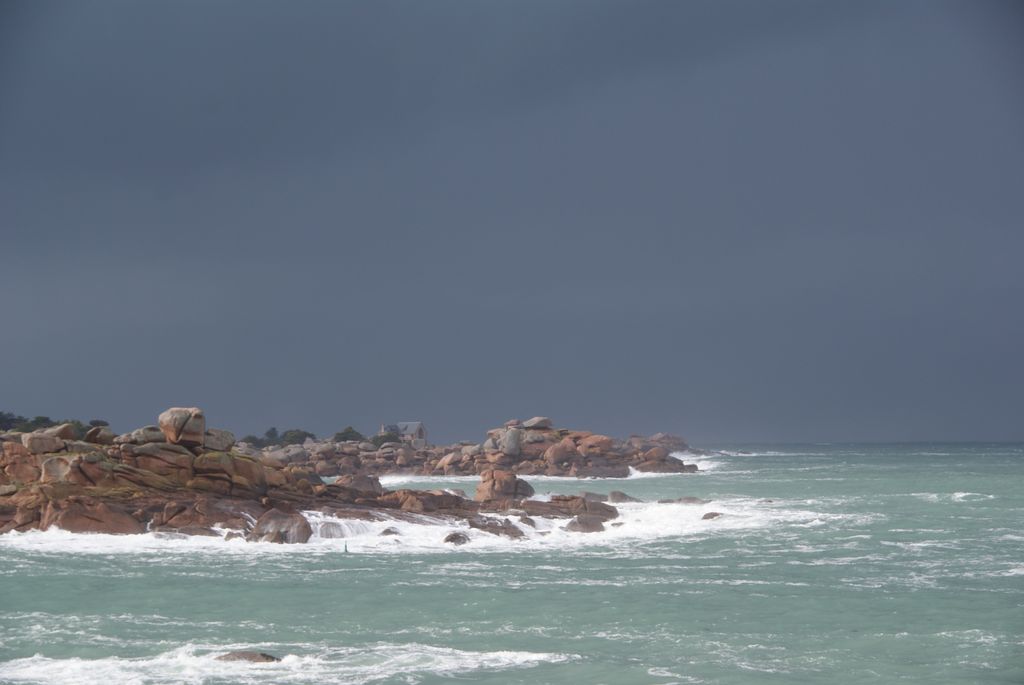
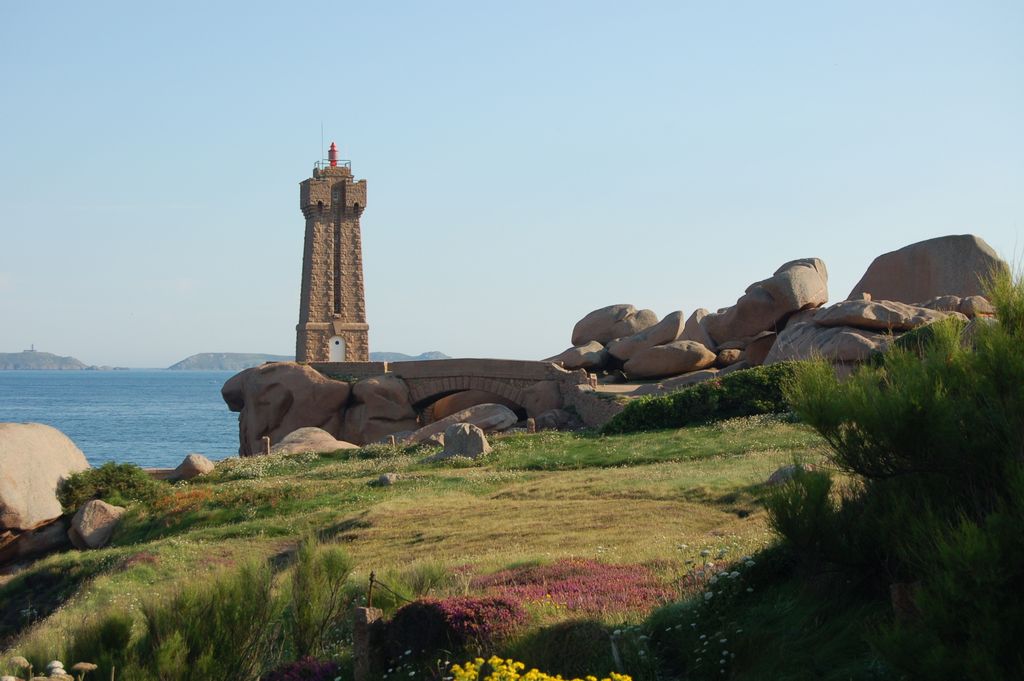
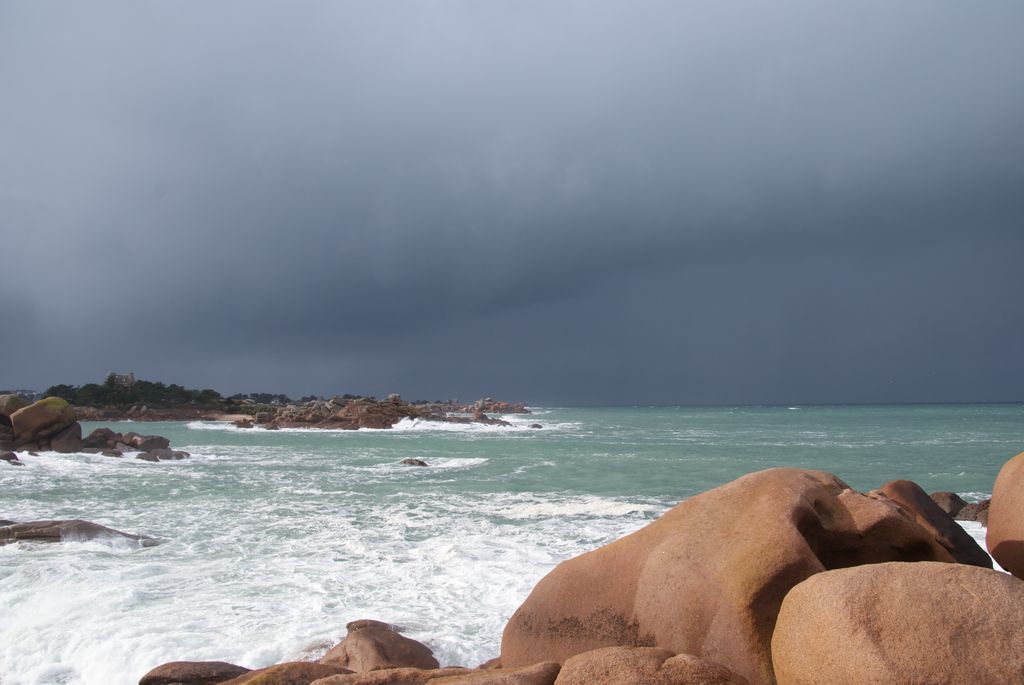
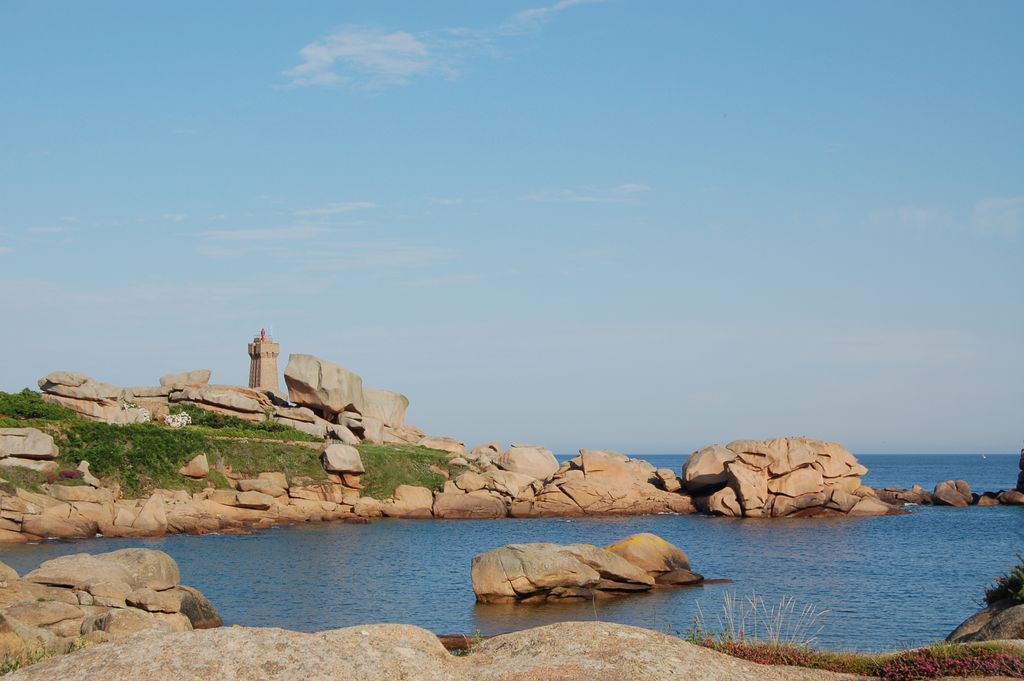
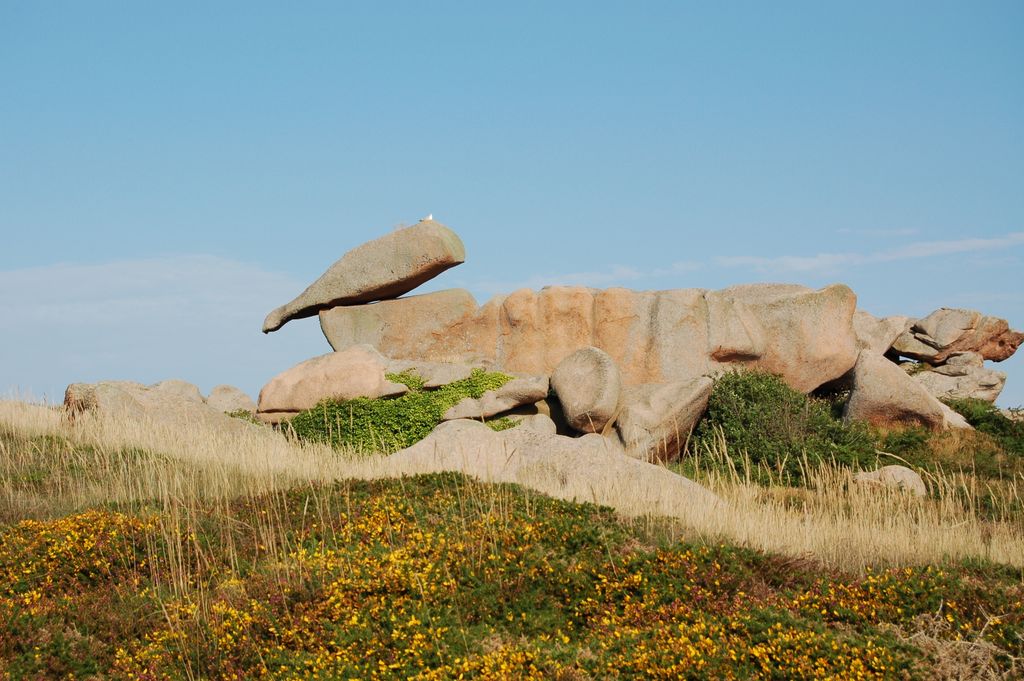
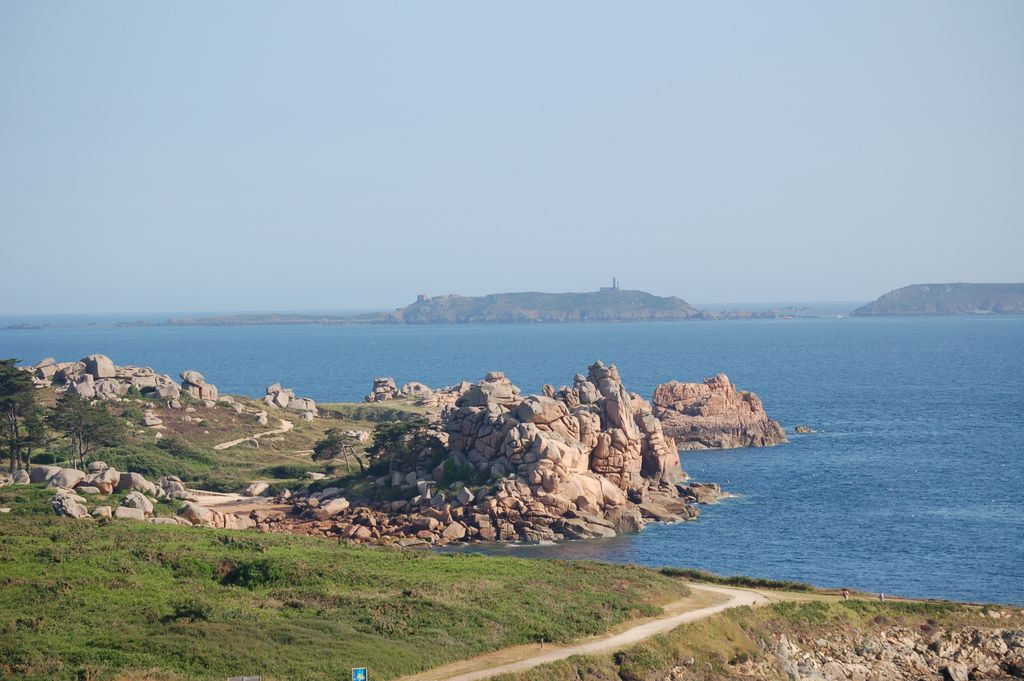
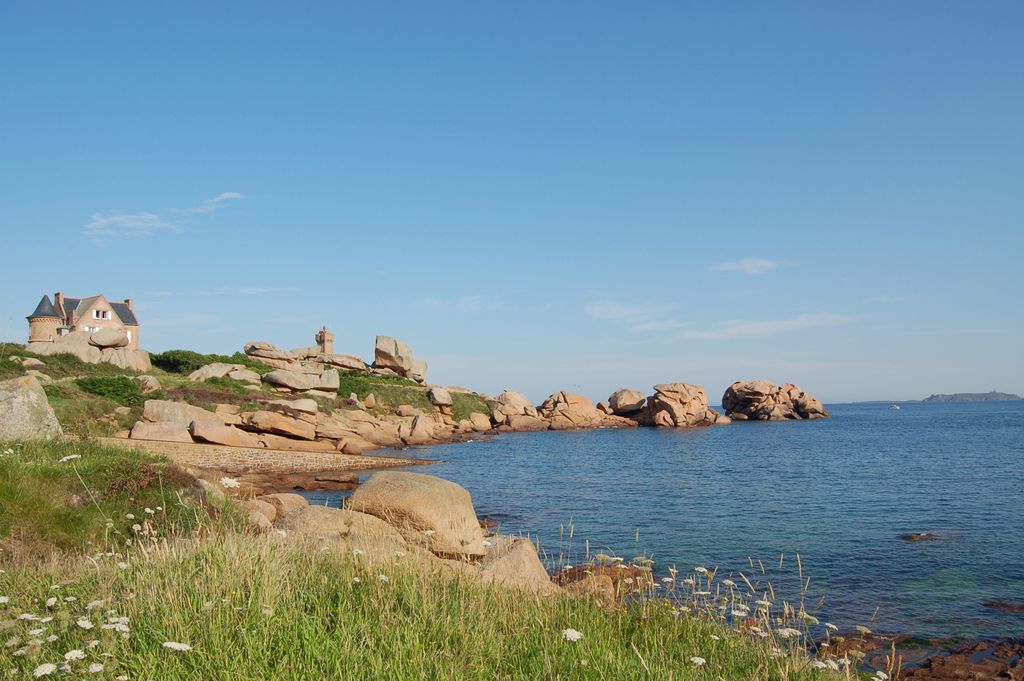
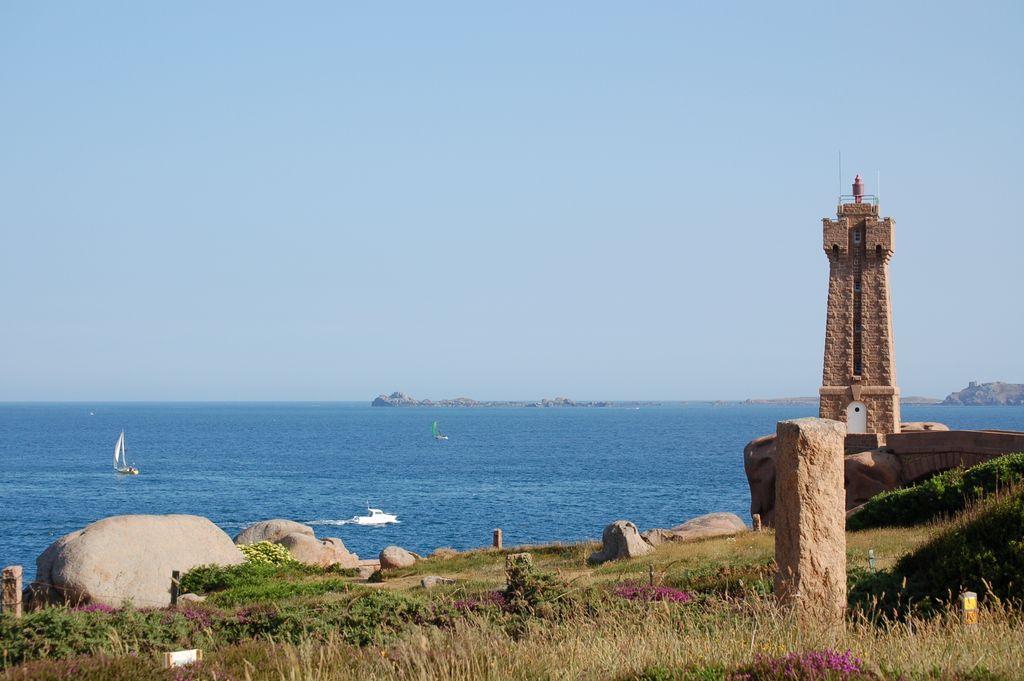
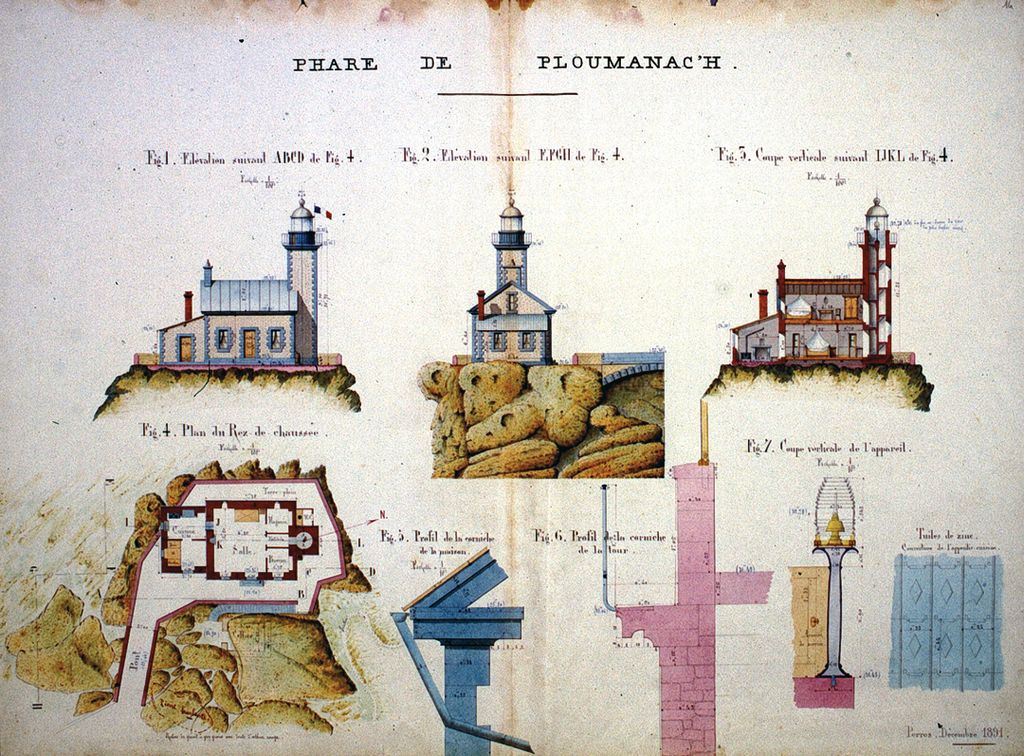
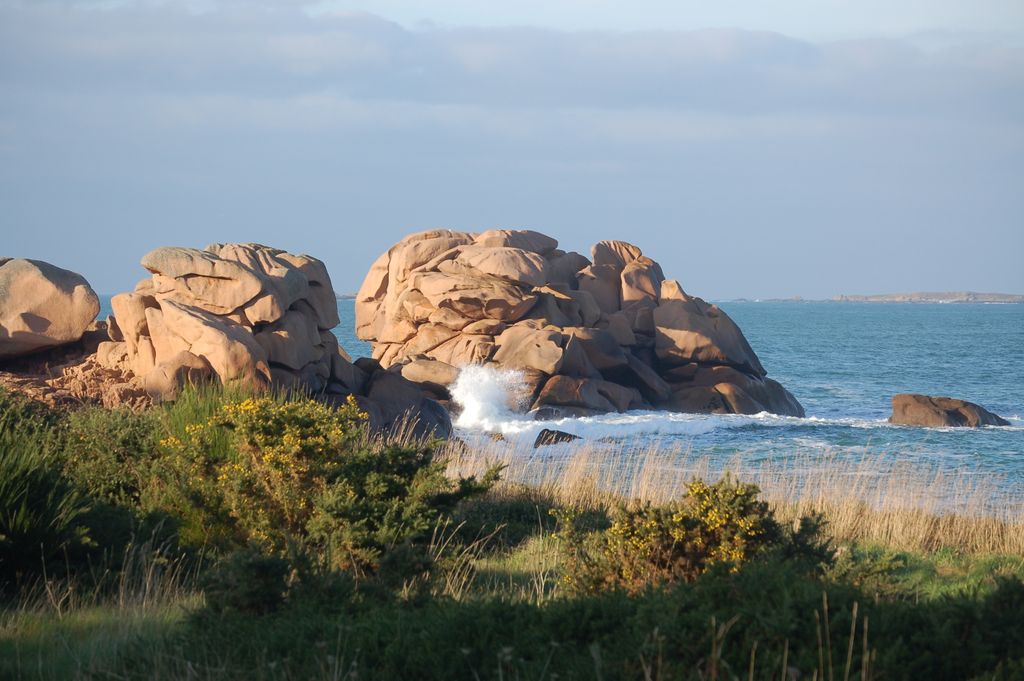
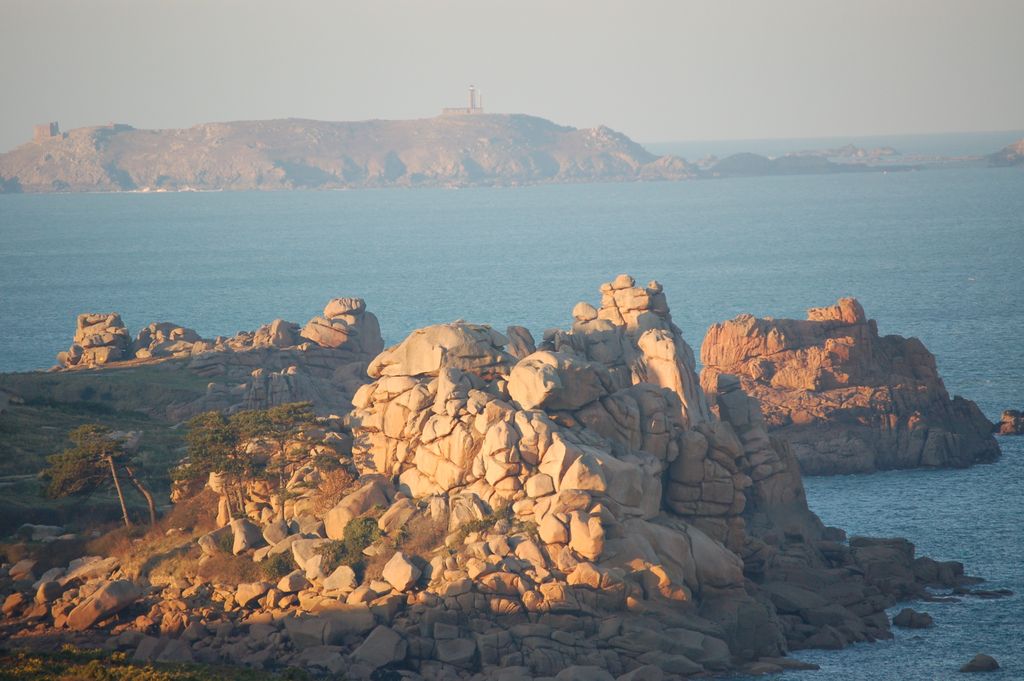
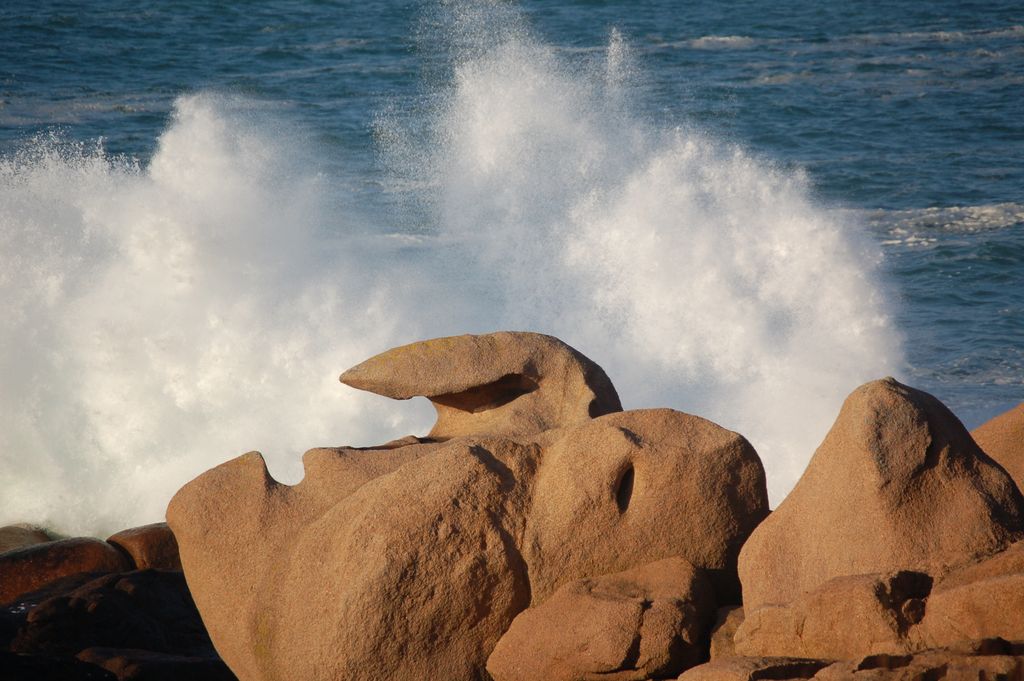
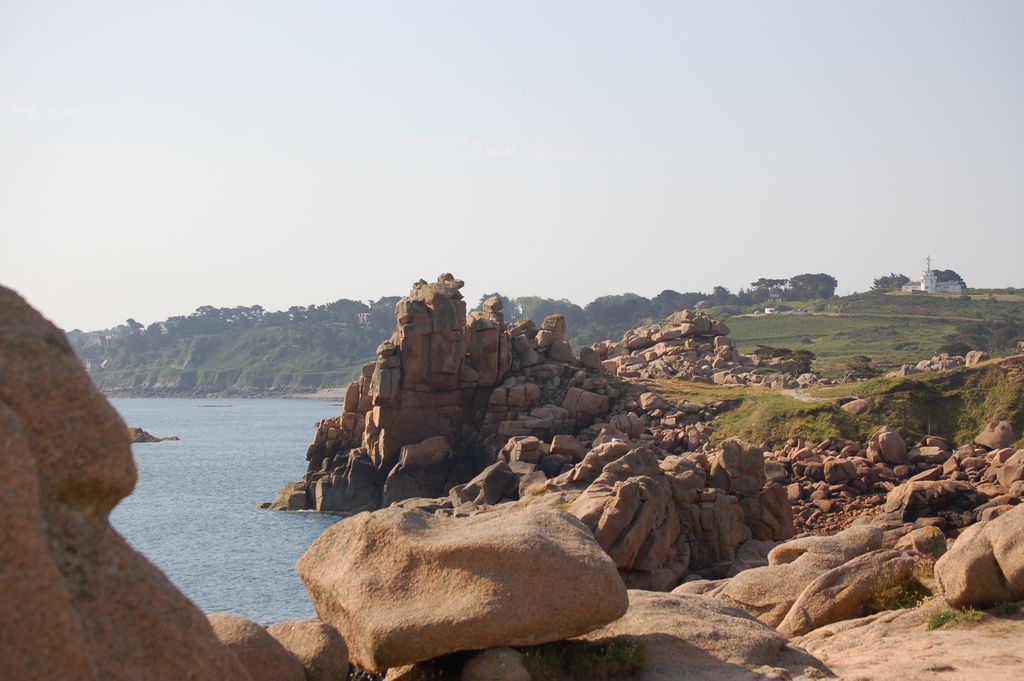
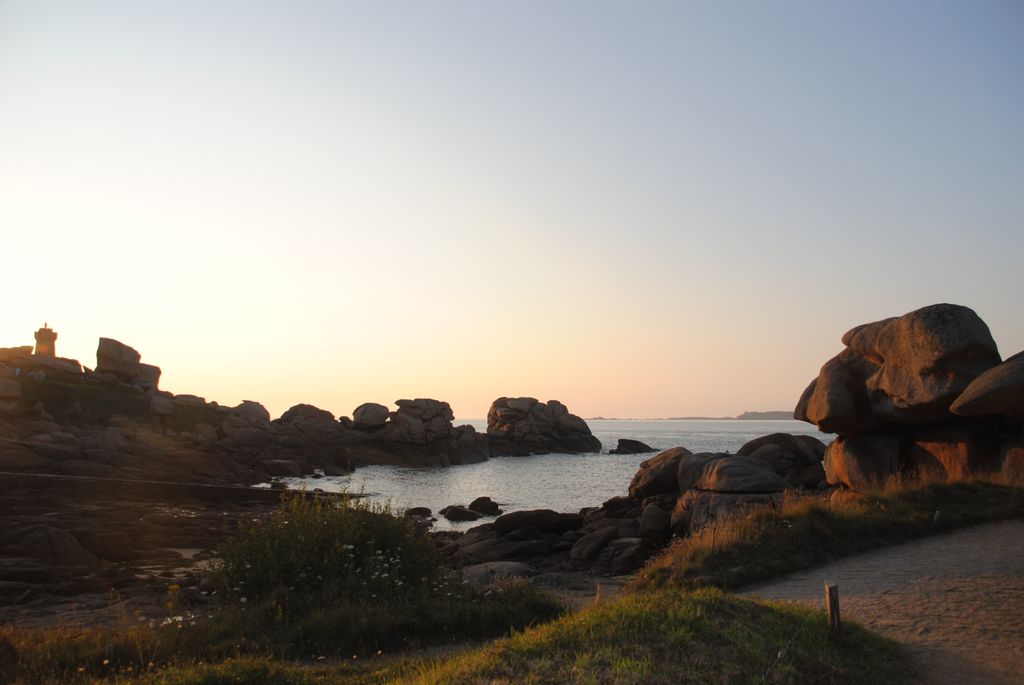
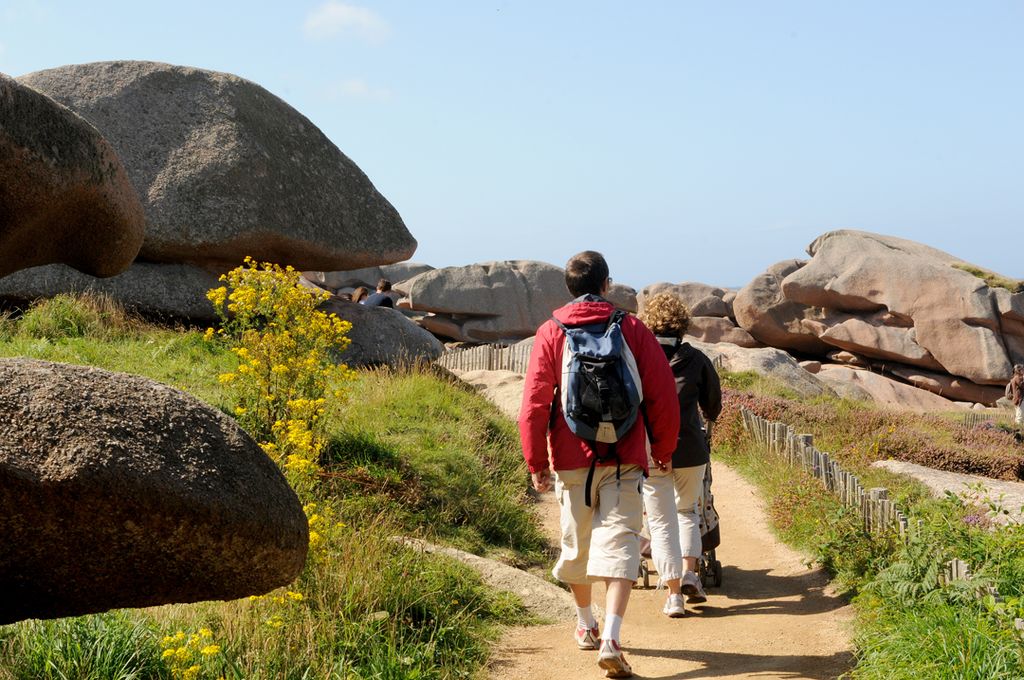
The pink granite lighthouse stands in the middle of the chaotic rock formations formed by the erosion of cooled magma then shaped by the rain, salty sea spray and wind. Its name, "phare de Mean Ruz", comes from the Breton "Men Ruz", meaning pink stone. The construction of the lighthouse was the result of a petition in 1856 by the residents of Perros-Guirec and Trégastel. Blown up with dynamite by German troops before their surrender in August 1944, the building has not always looked like it does today. Pink granite was used to rebuild the lighthouse in 1948, replacing the grey granite originally used in 1860. The lighthouse was automated in 1980.



Sainte Anne Bay
Trégastel
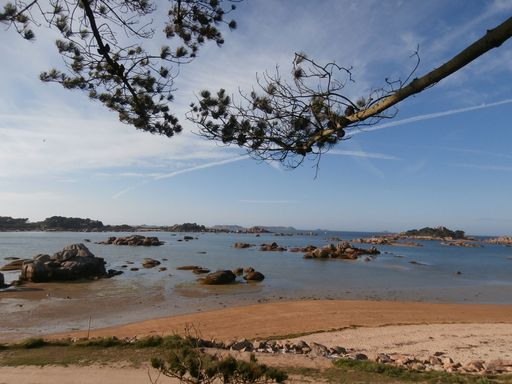
Walking by Sainte Anne Bay, you will discover an area rich in history and spirituality. Well before the construction of Sainte-Anne des Rochers Chapel in 1636, the area was home to several religious...  See
See
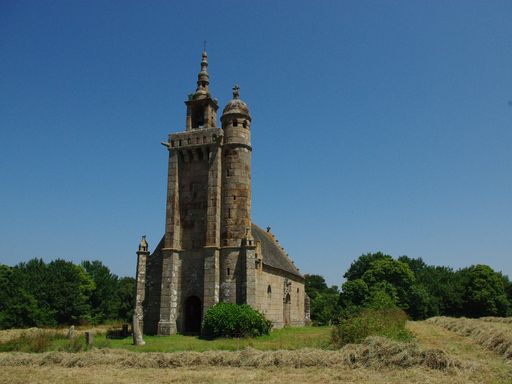
St Samson
Pleumeur-Bodou
Be sure to visit the rural hamlet of Saint-Samson, a quiet spot in the country with a chapel, a menhir and a fountain. The chapel, constructed between 1575 and 1631, is a superb example of the... See
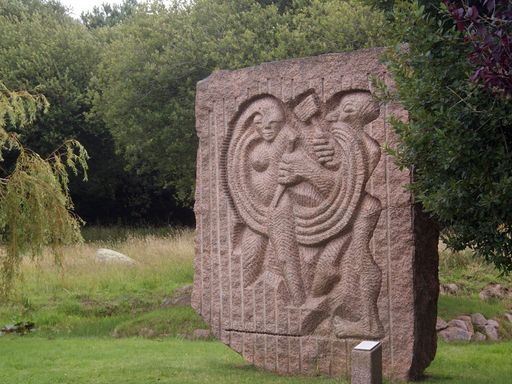

Christian Gad et Daniel Chee Park, and the Roche des Poètes
Perros-Guirec
This park is dedicated to the memory of two quarrymen and displays granite used in an unusual way. This noble material, the basis for unique poetic landscapes, has inspired many artists over the... See
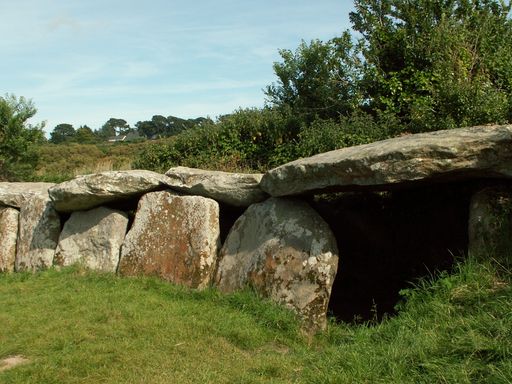

Kerguntuil
Trégastel
Dating from before 2,000 B.C., the megaliths of Kerguntuil are the impressive remnants of the structures built by Neolithic man. These immense monuments of assembled stones (the gallery grave is 9... See