

Turquet de Beauregard viewpoint
Perros-Guirec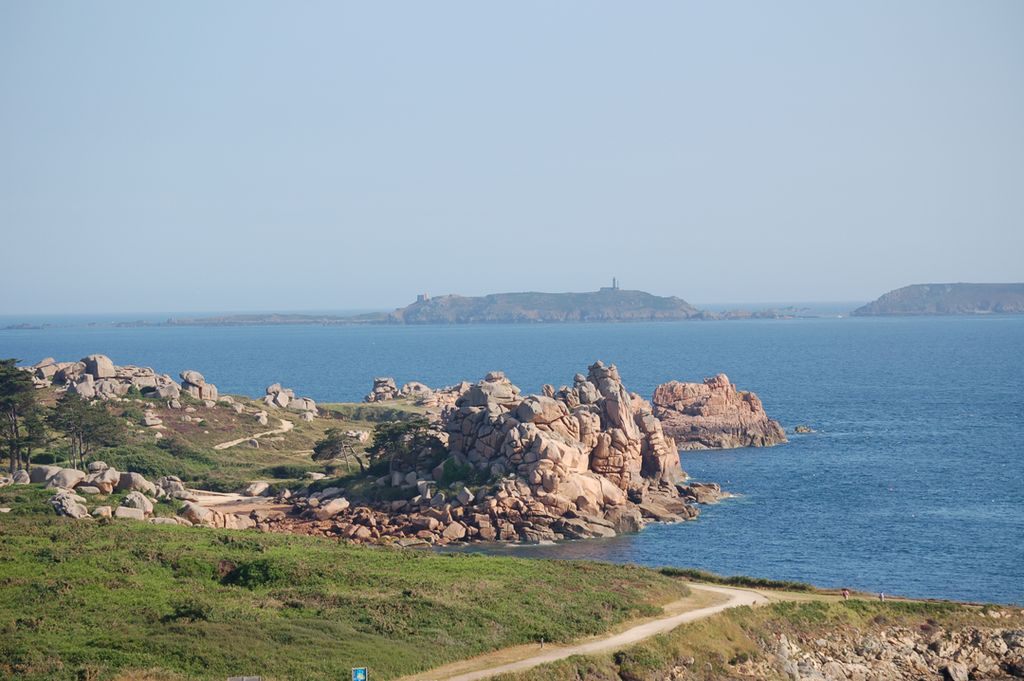
About
If you visit this spot at low tide, you will be able to see two types of rocks juxtaposed. The gneiss of Trébeurden is the older rock as it goes back more than two billion years. It is recognisable by its dark colour and jagged shape which contrasts with the pink granite, which is more rounded and much newer. In the distance, you can make out the Sept-Îles archipelago which today is home to a nature and bird reserve.


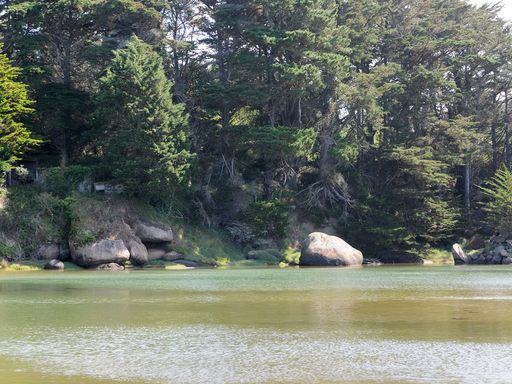

Traouïero Valley
Perros-Guirec / Trégastel
Exploring the magical countryside of the Traouïero Valley is one part of the trail not to be missed. A small stream runs through this deep, wooded valley, which is flecked with blocks of pink...  See
See
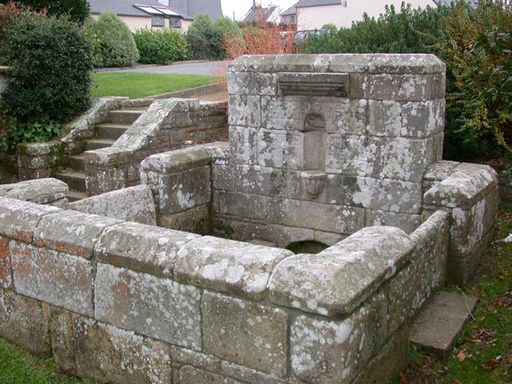

Bonne Nouvelle Chapel
Trébeurden
Here you will find a hamlet of traditional houses built from granite and a chapel dating from the fifteenth century, which is dedicated to Notre-Dame de Bonne Nouvelle (Our Lady of Good News), patron... See
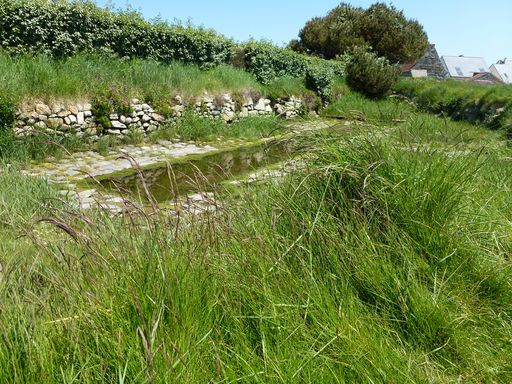

Lavoir at Run Losquet (Île Grande)
Pleumeur-Bodou
This large, traditional "lavoir" – an open-air pool or basin set aside for clothes to be washed – is located on Île Grande and dates from the nineteenth century. Two sources supply it and can be... See
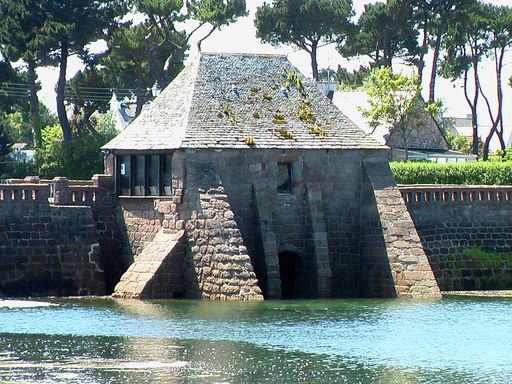

Mill Tourony
Trégastel
From the beach at Tourony, you can admire a beautiful view of the Château de Costaérès. This imposing neo-medieval style villa dates from the end of the nineteenth century. It was built by a rich... See