

Île Milliau
Trébeurden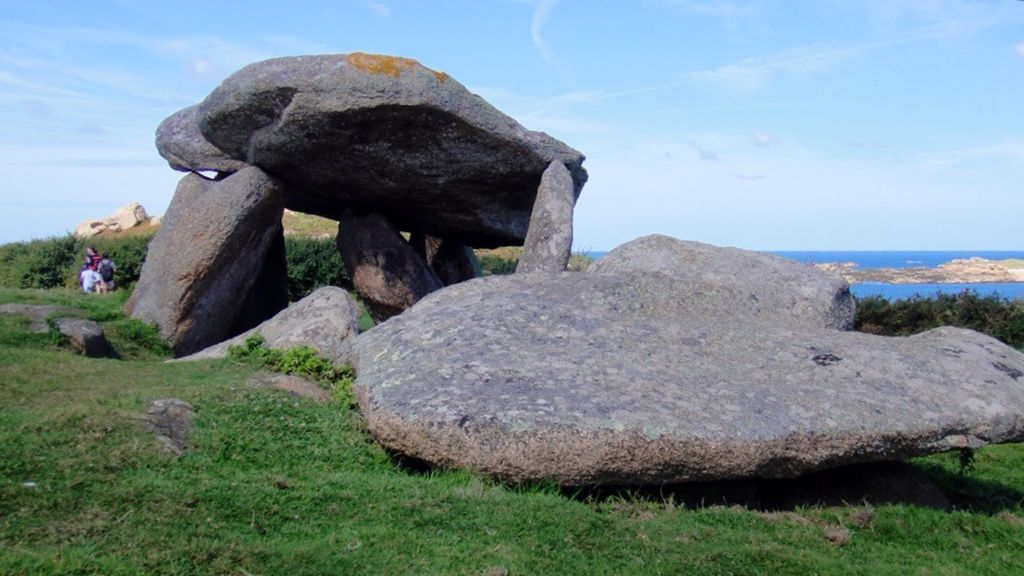
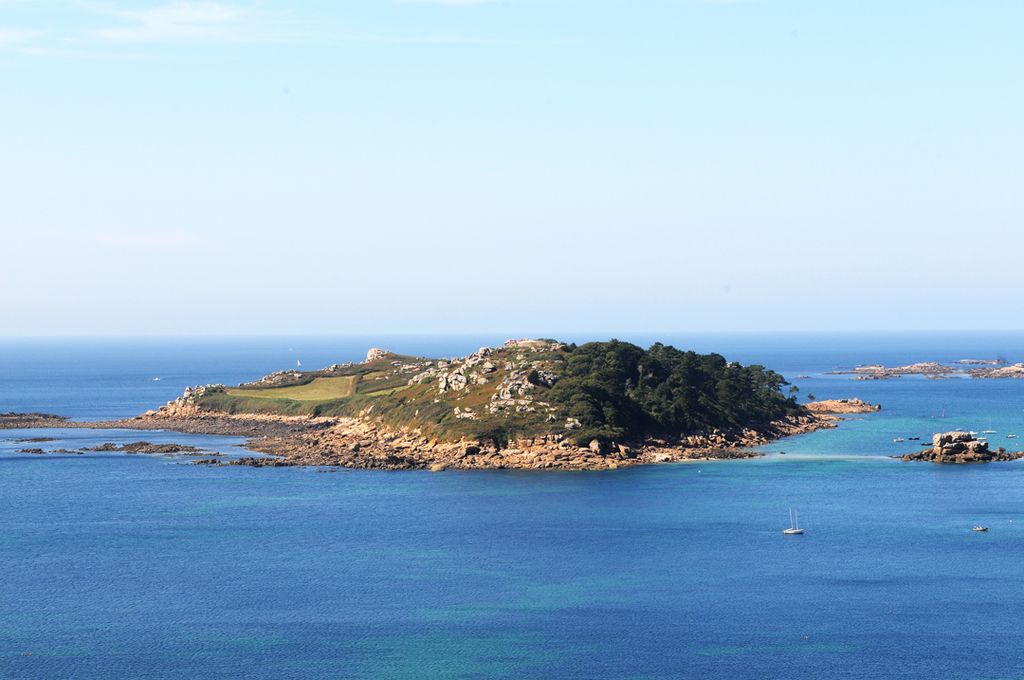
À propos
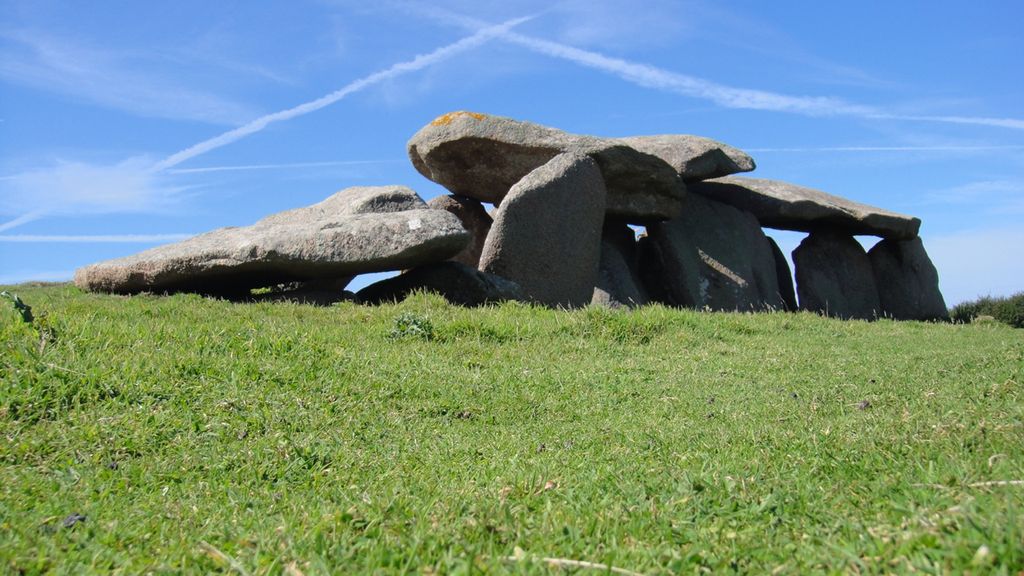
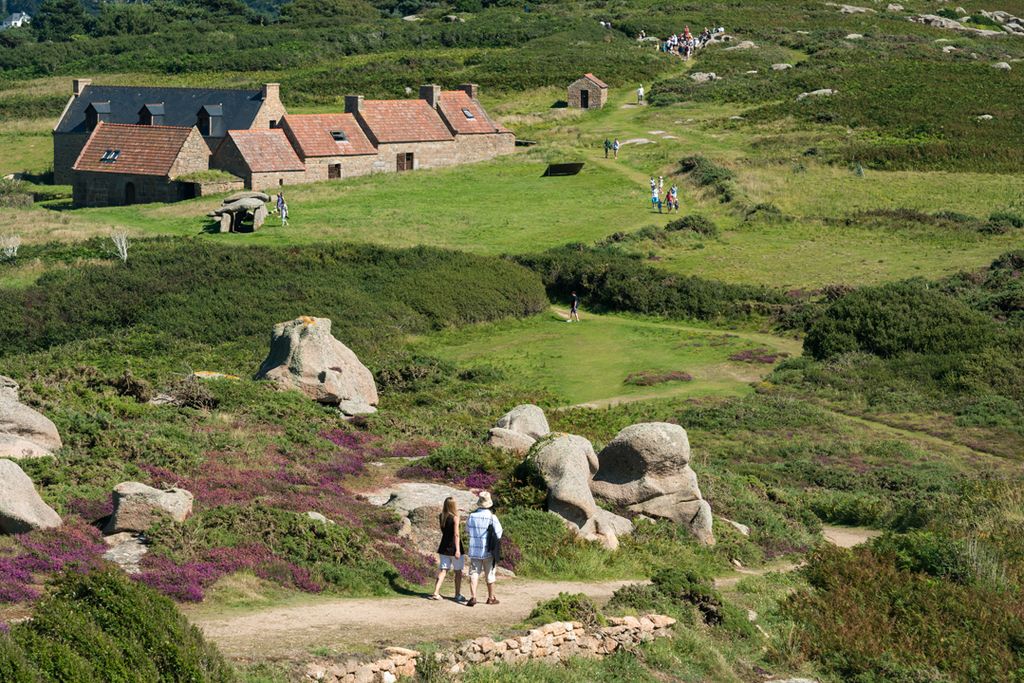
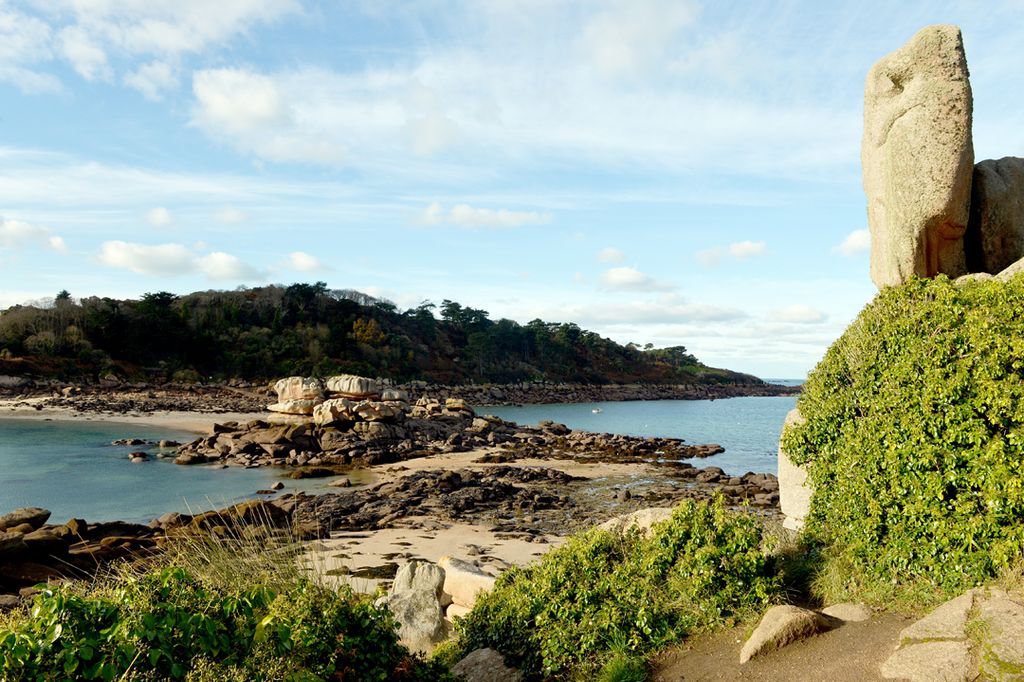
Avec ses chaos de granite rose et ses roches sédimentaires plus sombres, l’île Milliau offre un paysage à couper le souffle. Vous pourrez profiter de la beauté naturelle du site mais aussi partir à la recherche des traces de l’occupation humaine. Les premières datent du néolithique : nos ancêtres érigèrent une allée couverte qui aurait servi de monument funéraire. Puis, la légende veut que le moine Milliau, venu des pays nordiques pour évangéliser la région, s’y soit installé au VIe siècle. Vous trouverez également un corps de ferme construit à la fin du Moyen-Âge et aujourd’hui rénové. En y allant, vous contournerez la presqu’île du Castel et découvrirez le « Père Trébeurden », un rocher en forme de visage. Soyez bien chaussés et vigilants : la zone est escarpée et glissante, et certains jours les marées rendent l’accès à l’Île Milliau impossible.


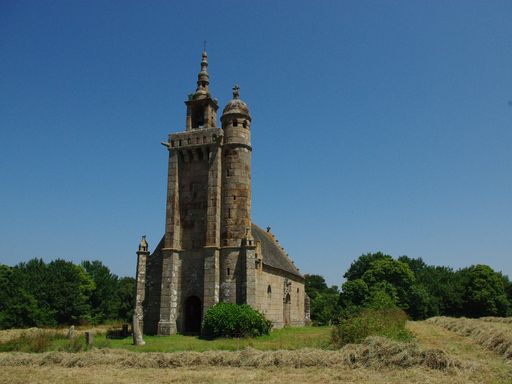

Chapelle Saint Samson
Pleumeur-Bodou
Ne manquez pas de visiter le hameau rural de Saint-Samson, ce petit coin de campagne au charme tranquille abrite une chapelle, un menhir et une fontaine. La chapelle construite entre 1575 et 1631...  Voir
Voir
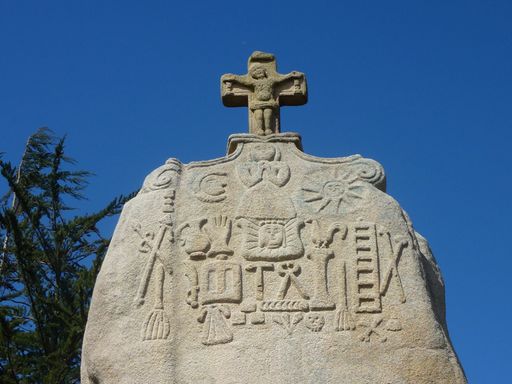

Menhir de Saint Uzec
Pleumeur-Bodou
À Saint-Uzec se dresse un menhir haut de 7,40 m et large de 2 m. Imaginez nos ancêtres du néolithique transporter cet immense bloc de granite pesant 60 tonnes ! Ces mégalithes occupaient... Voir
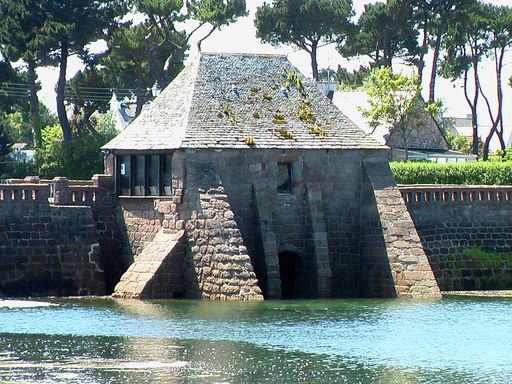

Château de Costaérès, Tourony
Trégastel
Depuis la plage de Tourony, vous pourrez admirer un très beau point de vue sur le château de Costaérès. Cette imposante villa de style néo-médiéval date de la fin du XIXe siècle. Elle fut... Voir
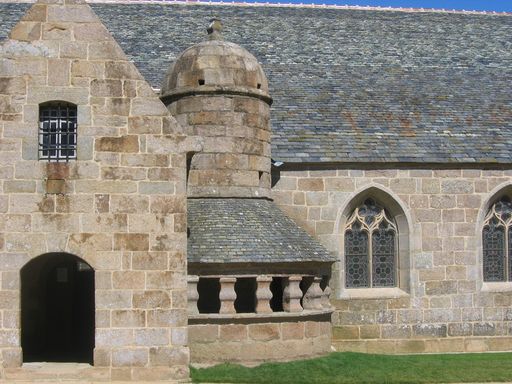

Le Bourg Église et Calvaire
Trégastel
Cette église a été bâtie en plusieurs étapes. La construction d’origine, remontant aux XIIe-XIIIe siècles, a été remaniée à plusieurs reprises au fil des siècles… Au XVIIe siècle, un... Voir